The Future of Sustainable Packaging Solutions
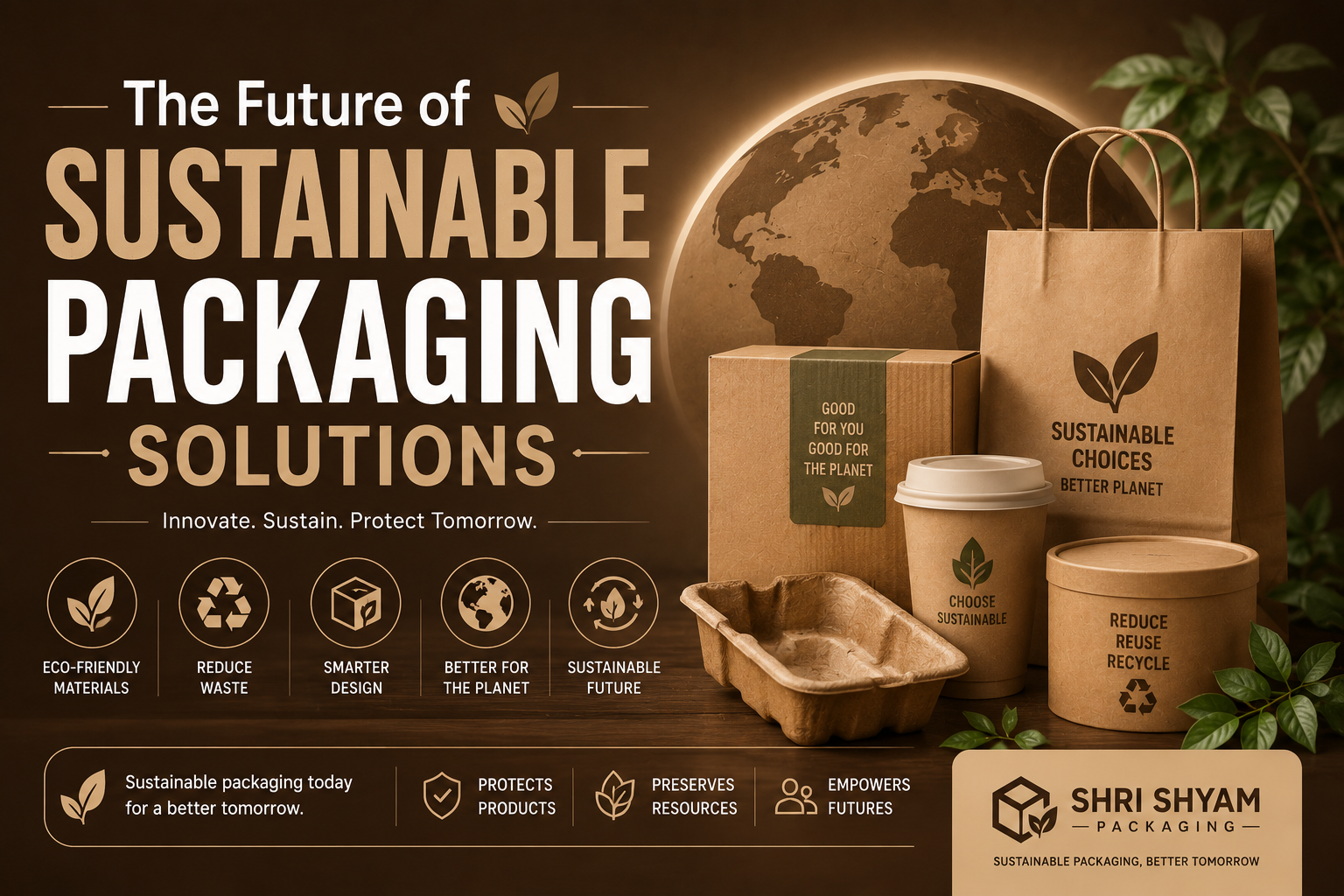
As environmental awareness continues to grow, sustainable packaging has become a top priority for businesses across the globe. Consumers are increasingly choosing brands that demonstrate a commitment to reducing waste and protecting the environment. In response, industries are adopting innovative, eco-friendly packaging solutions that minimize environmental impact while maintaining product safety and quality.
Sustainable packaging is no longer just a trend—it is the future of responsible manufacturing and modern business.
What Is Sustainable Packaging?
Sustainable packaging refers to packaging materials and designs that reduce environmental impact throughout their lifecycle. This includes using recyclable, biodegradable, reusable, or renewable materials while minimizing waste and energy consumption during production and transportation.
The primary goals of sustainable packaging are to:
- Reduce plastic waste
- Lower carbon emissions
- Improve recyclability
- Conserve natural resources
- Support a circular economy
Why Sustainable Packaging Matters
Businesses are recognizing that sustainable packaging offers benefits beyond environmental protection. It also helps improve operational efficiency, reduce long-term costs, and strengthen customer trust.
Key benefits include:
- Reduced environmental footprint
- Enhanced brand reputation
- Increased customer loyalty
- Compliance with environmental regulations
- Lower transportation and material costs
- Improved resource efficiency
Companies that adopt sustainable packaging today are better positioned to meet evolving consumer expectations and future regulations.
Emerging Trends in Sustainable Packaging
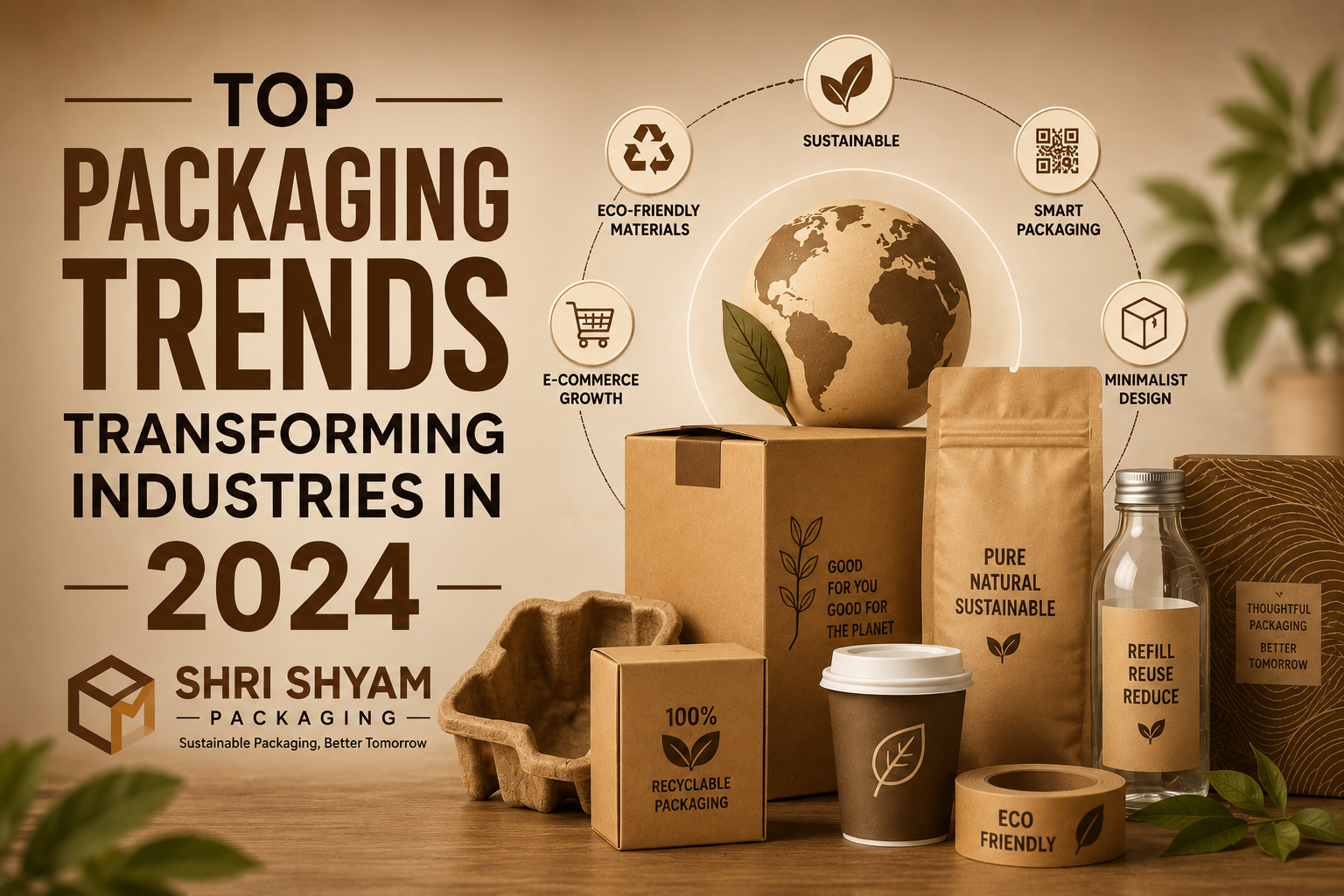
1. Recyclable Packaging Materials
Recyclable materials such as corrugated cardboard, kraft paper, PET strapping, and paper-based protective packaging are becoming the preferred choice for manufacturers and retailers. These materials reduce landfill waste while supporting recycling initiatives.
2. Lightweight Packaging
Reducing packaging weight helps lower transportation costs and carbon emissions. Lightweight solutions such as honeycomb boards and optimized corrugated packaging provide excellent product protection without adding unnecessary bulk.
3. Biodegradable and Compostable Packaging
Many businesses are replacing conventional plastic packaging with biodegradable and compostable alternatives made from natural materials. These solutions break down more easily in the environment, helping reduce long-term pollution.
4. Reusable Packaging Systems
Reusable packaging is gaining popularity in industries such as automotive, manufacturing, and logistics. Durable containers, pallets, and protective packaging can be used multiple times, reducing waste and lowering overall packaging costs.
5. Smart and Sustainable Packaging
Modern packaging combines sustainability with technology. QR codes and digital labels reduce the need for printed materials while providing customers with product information, recycling instructions, and traceability.
Sustainable Packaging Products
Businesses are increasingly adopting environmentally responsible packaging products such as:
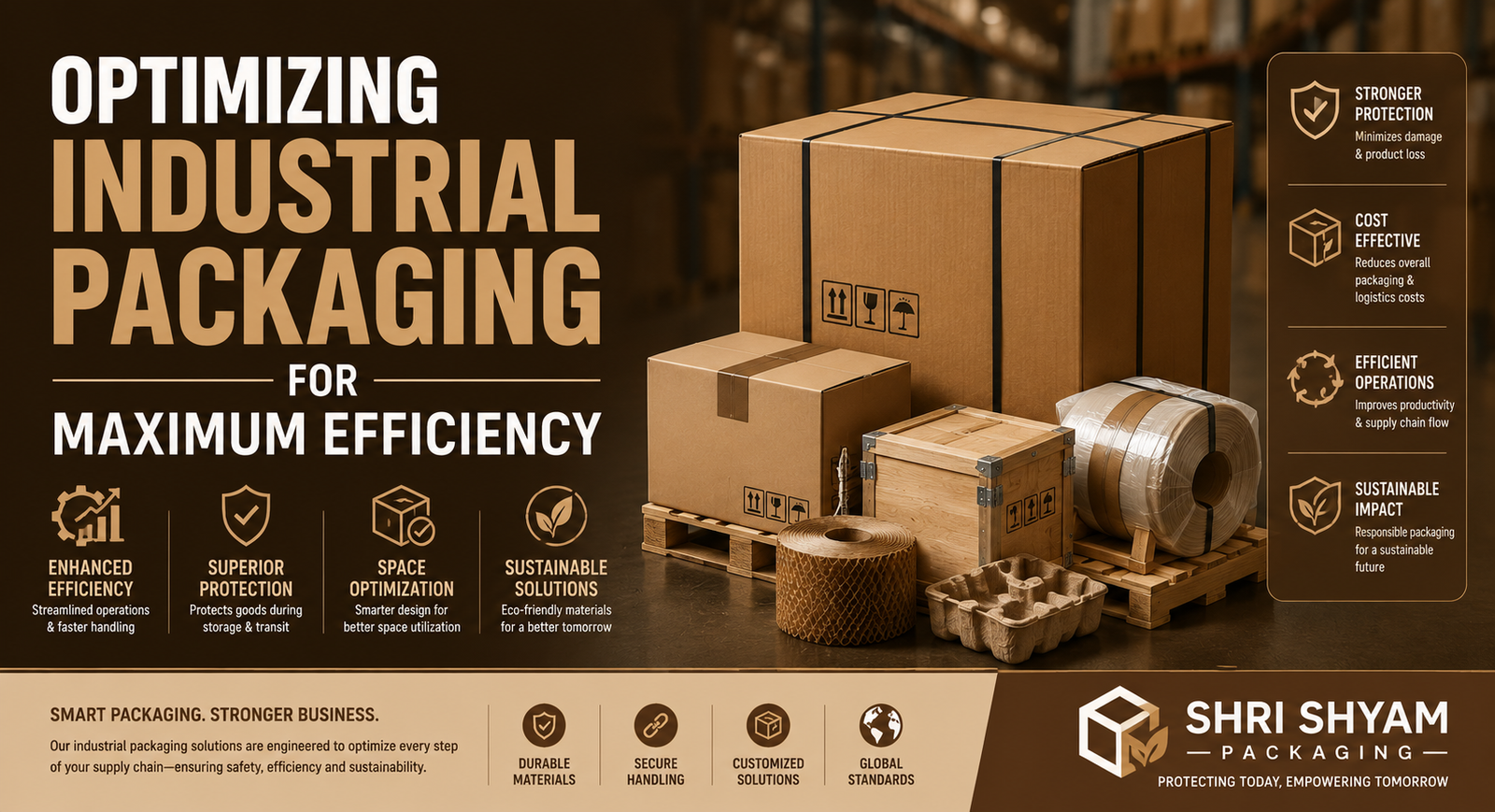
- Honeycomb Boards
- Corrugated Boxes
- Stretch Film Rolls
- PET Strapping Rolls
- Paper Edge Protectors
- Recyclable Protective Packaging
These products offer reliable protection while supporting sustainable business practices.
Challenges in Sustainable Packaging
Although sustainable packaging offers significant advantages, businesses may face challenges during implementation, including:
- Higher initial investment
- Material availability
- Supply chain adjustments
- Product compatibility
- Consumer education
However, ongoing innovation and growing demand are making eco-friendly packaging more accessible and cost-effective every year.
The Road Ahead
The future of packaging lies in creating solutions that balance performance, affordability, and environmental responsibility. Advances in material science, recycling technologies, and packaging design are helping businesses reduce waste without compromising product protection.
Companies that invest in sustainable packaging today will be better prepared for changing regulations, evolving customer expectations, and the growing demand for environmentally responsible products.
Conclusion
Sustainable packaging is shaping the future of modern industries by reducing environmental impact, improving operational efficiency, and strengthening brand value. Whether through recyclable materials, lightweight designs, reusable systems, or innovative protective solutions, businesses have more opportunities than ever to adopt packaging that benefits both their customers and the planet.
By embracing sustainable packaging solutions, companies can contribute to a cleaner environment while building a stronger, more responsible, and future-ready business.